
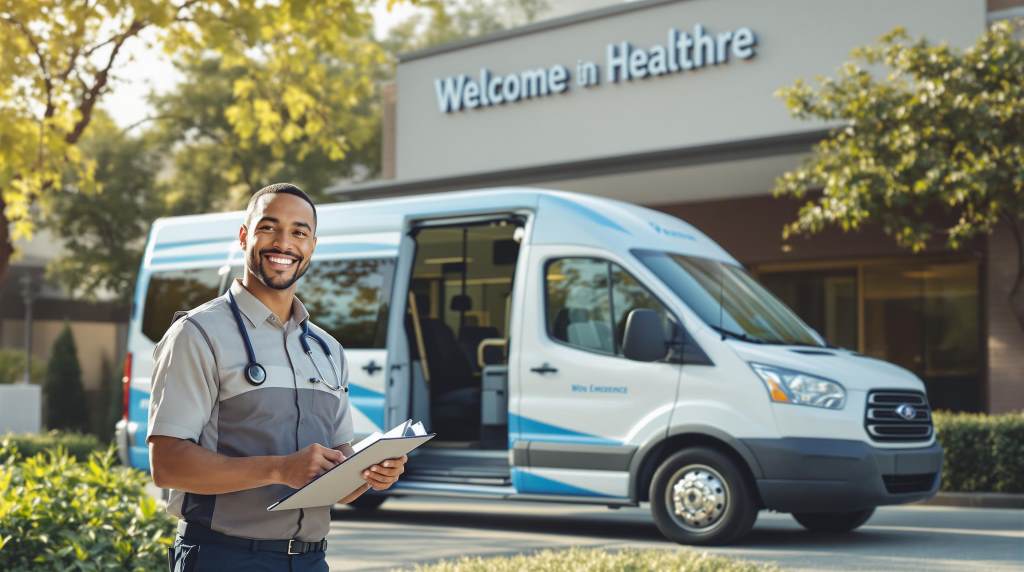
27 Oct How to Start a Medical Transportation Business
You see an elderly patient miss a dialysis appointment because no ride shows up. That frustration sparks an idea. You decide to launch a service that gets people to doctors safely and on time. Starting a non-emergency medical transportation business fills a real need. It helps patients who can’t drive themselves.
The NEMT industry grows fast. The U.S. Department of Transportation reports over 3.6 million Americans rely on medical rides daily. A 2023 study from the Wisconsin Department of Health Services shows NEMT cuts hospital readmissions by 25% when done right.
This guide walks you through every step. You learn about business structure, licenses, vehicles, training, and more. Follow it to build a strong operation.
Understand the Basics of Non-Emergency Medical Transportation
Non-emergency medical transportation moves patients to appointments without urgency. Think wheelchair vans or stretcher vans for routine checkups, therapy, or dialysis.
NEMT differs from ambulances. Ambulances handle emergencies. Your service focuses on comfort and reliability.
Patients include seniors, disabled folks, and low-income individuals. Many use Medicaid NEMT programs.
Why start now? Demand rises with an aging population. The CDC says 1 in 4 adults lives with a disability needing transport help.
Choose the Right Business Structure
Pick a structure early. It affects taxes, liability, and growth.
- Sole Proprietorship: You run it alone. Simple setup. Full control. But personal assets risk lawsuits.
- LLC: Limits personal liability. Flexible taxes. Popular for NEMT startups.
- Corporation: Best for big plans. More paperwork. Higher costs.
Consult a lawyer. File with your state. In Wisconsin, check the Department of Financial Institutions.
Get an EIN from the IRS. It acts like a business Social Security number.
Secure a Business License and Permits
Every area requires a business license. Contact your city or county clerk.
For NEMT, you need extra permits. States regulate medical transport.
In Wisconsin, the Department of Health Services oversees NEMT. Submit a request for proposals if bidding on contracts.
Enroll as a provider. The enrollment process takes weeks. Gather proof of insurance, vehicle inspections, and driver checks.
Follow Wisconsin law on member protections. Ensure privacy and safety.
Get Commercial Auto Insurance
Commercial auto insurance covers your fleet. Personal policies won’t work.
Shop for policies that include:
- Liability for accidents.
- Medical payments for passengers.
- Uninsured motorist protection.
NEMT needs higher limits. Brokers demand at least $1 million coverage.
Add non-emergency ambulance transportation riders if using stretchers.
Rates depend on vehicles, drivers, and area. Compare quotes from NEMT specialists.
Select Vehicles for Your Fleet
Start small. Buy or lease one or two vehicles.
Focus on accessibility:
- Wheelchair accessible vans: Ramps or lifts. Side or rear entry.
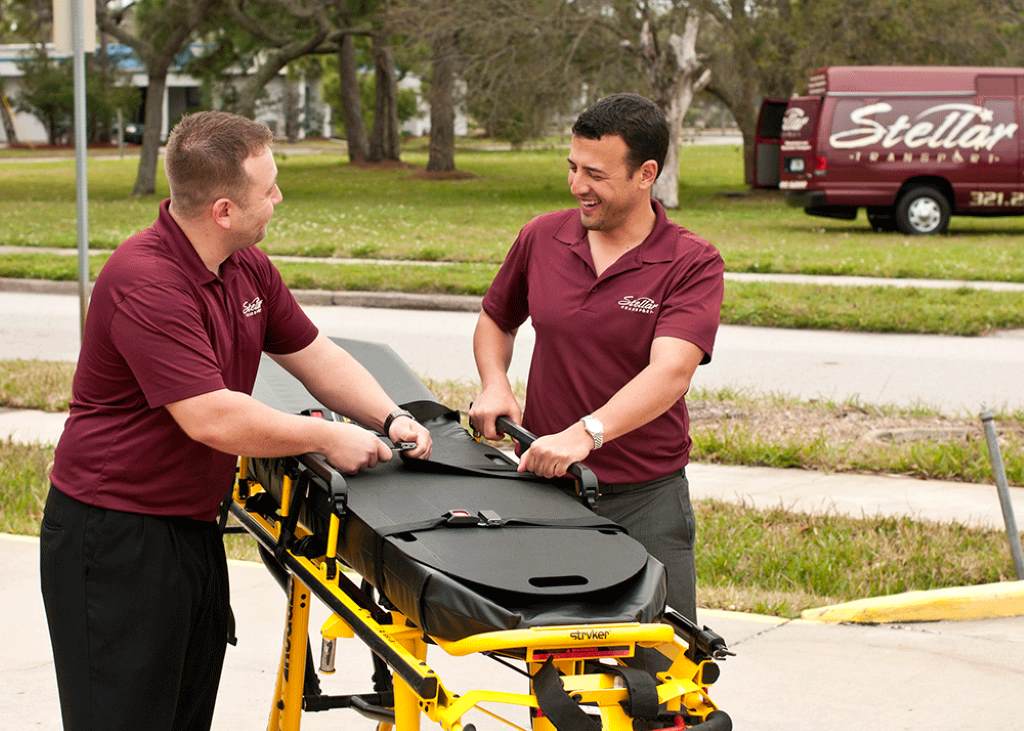
- Stretcher vans: For bed-bound patients. Secure tie-downs.
- Standard sedans: For walking passengers.
Check vehicle capacity. Match to typical rides. A van holds 4-10 passengers.
Install gearshift interlock for safety. It prevents shifts without brakes.
Maintain vehicles. Follow DOT inspections.
Master Passenger Assistance Techniques
Drivers do more than drive. They help patients.
Train in:
- Safe transfers from wheelchair to seat.
- Securing wheelchairs with straps.
- Assisting with walkers or canes.
- CPR and first aid basics.
Use gentle techniques. Build trust. Patients feel vulnerable.
Practice scenarios. Role-play door-to-door help.
Meet Training Requirements and Courses
States mandate training. Wisconsin requires specific hours.
Enroll in training courses:
- Defensive driving.
- Passenger sensitivity.
- HIPAA privacy.
Certify drivers in wheelchair securement.
Offer ongoing sessions. Cover quality assurance.
Electronic ride tracking tools like MediRoutes send notifications. Train staff to use them.
Partner with NEMT Brokers and Medicaid
NEMT brokers connect you to rides. They contract with states.
Enroll with brokers. Bid on trips.
Medicaid NEMT pays well. Become a provider.
Steps:
- Apply through state portal.
- Pass audits.
- Agree to rates and rules.
Brokers handle scheduling. You focus on rides.
Implement Quality Assurance and Member Protections
Build trust with strong standards.
Create policies:
- On-time pickups (95% goal).
- Clean vehicles.
- Background-checked drivers.
Follow member protections. No discrimination. Respect dignity.
Track complaints. Fix issues fast.
Use software for electronic ride tracking. Log miles, times, and feedback.
Handle Non-Emergency Ambulance Transportation
Some patients need stretchers. Offer this service.
Buy specialized vehicles. Train in stretcher handling.
Get extra permits. Insurance adjusts.
It sets you apart. More revenue streams.
Explore Wisconsin-Specific Rules
Wisconsin leads in NEMT regulation. The Wisconsin Department of Health Services sets standards.
Key points:
- Vehicle inspections yearly.
- Driver drug tests.
- Rate structures.
Watch for request for proposals. Win state contracts.
Stay updated on Wisconsin law changes.
Scale for NEMT Success
Start local. Grow smart.
Tips:
- Market to clinics and seniors.
- Use dispatch software.
- Hire reliable drivers.
Track metrics. On-time rates. Customer satisfaction.
Reinvest profits. Add vehicles.
Case study: A Milwaukee startup grew from 1 van to 10 in two years. They focused on Medicaid NEMT and broker partnerships.
Overcome Common Challenges
Face hurdles head-on.
- Driver shortages: Offer good pay and flexibility.
- Regulations: Stay compliant with audits.
- Competition: Excel in service.
Join associations. Network for tips.
Build a Strong Team
Hire careful drivers.
Requirements:
- Clean record.
- CDL if needed.
- Pass background check.
Train thoroughly. Cover passenger assistance techniques.
Foster a team culture. Reward reliability.
Related:
Signs Your Home Needs Professional Help in Warsaw, Indiana
Market Your Medical Transportation Service
Get clients.
Strategies:
- Partner with hospitals.
- Online presence: Website and Google listing.
- Flyers at senior centers.
Highlight wheelchair accessible options and reliability.
Use Technology for Efficiency
Adopt tools.
- Scheduling software.
- GPS tracking.
- MediRoutes notifications for riders.
Electronic ride tracking proves trips for billing.
Ensure Compliance and Safety
Safety first.
- Daily vehicle checks.
- Handicap lift maintenance (even if zero now, plan for it).
- Emergency kits.
Follow all training requirements.
Finance Your Startup
Bootstrap or seek loans.
Costs include:
- Vehicles.
- Insurance.
- Licenses.
SBA loans help. Grants for disability services exist.
Achieve Long-Term NEMT Success
Consistency wins.
Monitor feedback. Improve.
Expand services. Add non-emergency ambulance transportation.
Celebrate milestones. Help more patients.
You now have the roadmap. Launch your business. Change lives with reliable rides.
Ready to start? Pick your business structure today and file those papers.
FAQs
What is non-emergency medical transportation?
It provides rides to medical appointments for patients who don’t need emergency care. Focuses on safety and comfort.
Do I need a special license for NEMT?
Yes. Get a business license plus state-specific permits. Enroll as a Medicaid provider if applicable.
How much vehicle capacity do I need?
Start with vans holding 4-6 passengers. Scale based on demand and wheelchair accessible needs.
What training do drivers need?
Cover defensive driving, passenger assistance techniques, and HIPAA. Meet state training requirements.
How do I work with NEMT brokers?
Enroll through their process. Bid on trips. Maintain quality assurance for contracts.
References
- U.S. Department of Transportation NEMT data: https://www.transportation.gov
- CDC disability statistics: https://www.cdc.gov/ncbddd/disabilityandhealth/infographic-disability-impacts-all.html
- Wisconsin Department of Health Services NEMT guidelines: https://www.dhs.wisconsin.gov/nmt/index.htm
Sorry, the comment form is closed at this time.