
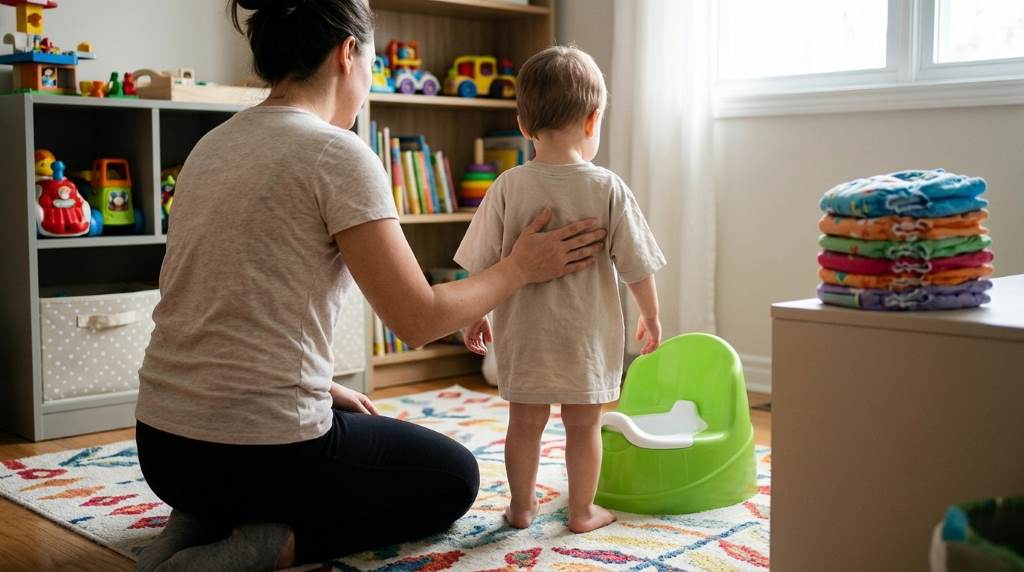
12 Jul How to Ditch Diapers in Three Days
Many parents hope to finish potty training quickly while keeping their child calm and confident. The three day potty training method has gained popularity because it encourages consistency and focused practice. Research suggests most children show daytime readiness between 18 and 30 months, while the Centers for Disease Control and Prevention notes developmental milestones vary for every child. Therefore, success depends more on readiness than age alone. This guide explains practical steps that help families build positive habits and reduce stress throughout the process.
Know Whether Your Child Is Ready
Before starting, look for signs that your child understands simple directions and stays dry for longer periods. You should also prepare your home with a safe environment for kids because frequent bathroom trips require secure and obstacle free spaces.
Children who tell you when they need a diaper change often learn toilet skills faster. Likewise, curiosity about the toilet usually shows emotional readiness. Every child develops differently, so avoid comparing progress with others.
Common Readiness Signs
- Stays dry for at least two hours.
- Understands simple instructions.
- Shows interest in the bathroom.
- Can pull clothing up and down.
- Communicates basic needs clearly.
Prepare Everything Before Day One
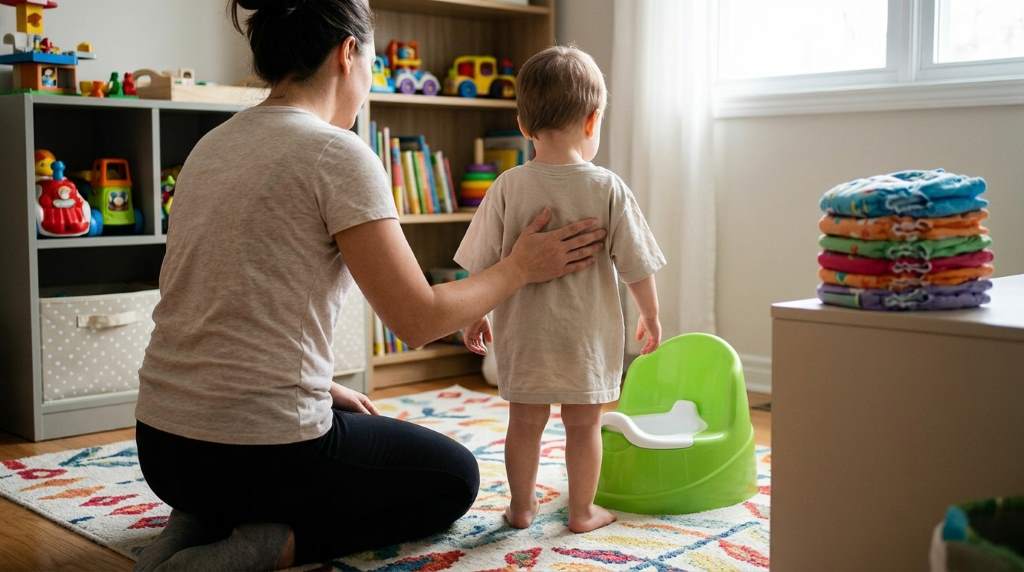
Preparation makes the three day process smoother because children respond well to predictable routines. Meanwhile, comfortable clothing also supports independence, so consider weather appropriate outfits for babies that allow quick bathroom access during practice.
Choose a child sized potty or a secure toilet seat adapter before training begins. Keep extra underwear, cleaning supplies, and rewards nearby for quick access. This preparation reduces interruptions and keeps everyone focused.
Gather These Essentials
- Training underwear.
- Child sized potty.
- Easy to remove clothing.
- Cleaning wipes.
- Extra towels.
- Favorite books.
- Healthy drinks.
Day One Focuses on Learning
Begin the morning by removing diapers completely during waking hours. Encourage frequent potty visits every twenty to thirty minutes without creating pressure. Calm reminders help children understand expectations while reducing anxiety.
Offer water regularly because frequent opportunities create valuable learning experiences. Praise every attempt instead of celebrating only successful bathroom trips. Positive reinforcement builds confidence throughout the first day.
Accidents will probably happen during the learning process. Respond calmly, clean the area together, and remind your child where pee belongs. This approach teaches responsibility without creating shame.
Day Two Builds Consistency
Continue following the same routine because repetition strengthens new habits. Encourage your child to recognize body signals before rushing to the potty. Consistent reminders gradually become less necessary throughout the day.
Celebrate small improvements with enthusiastic words, hugs, or sticker rewards instead of expensive gifts. Children usually respond better to genuine encouragement than material prizes. Positive emotions make learning more enjoyable.
Limit unnecessary outings whenever possible during the second day. Familiar surroundings reduce distractions and increase successful bathroom visits. Staying home also makes accident cleanup easier.
Day Three Reinforces Independence
Allow your child to take greater responsibility for recognizing bathroom needs independently. Gentle encouragement should replace frequent reminders whenever possible. Confidence grows through repeated successful experiences.
Practice short trips outside once your child shows consistent success indoors. Bring spare clothing and remain patient throughout every outing. Small adventures help children apply new skills everywhere.
Keep bedtime expectations realistic because nighttime dryness often develops later than daytime control. Continue using protective bedding if needed without treating it as failure. Progress usually continues with patience.
Handle Accidents the Right Way
Accidents remain a normal part of potty training regardless of the chosen method. Calm reactions teach resilience and reduce fear surrounding bathroom mistakes. Your response strongly influences future confidence.
Avoid punishment because negative experiences can delay learning and increase resistance. Instead, explain what happened using simple language before moving forward. Encouragement always works better than criticism.
Create a Positive Potty Routine
Children thrive when daily routines remain predictable and supportive. Schedule bathroom visits after meals, before naps, and before leaving home. Familiar patterns help children remember healthy bathroom habits.
Read books, sing short songs, or count together while waiting briefly on the potty. These activities reduce pressure and make practice enjoyable. Positive routines encourage long term success.
Common Mistakes Parents Should Avoid
Starting too early often creates frustration for both parents and children. Waiting until readiness signs appear usually improves overall results. Patience saves time over the long term.
Another mistake involves switching repeatedly between diapers and underwear during daytime practice. Consistency helps children understand expectations more clearly. Mixed messages often slow progress.
Finally, avoid comparing siblings or friends because every child learns at a unique pace. Celebrate personal progress instead of chasing someone else’s timeline. Confidence grows through encouragement.
When to Pause the Process
If your child becomes extremely upset or refuses every potty attempt, consider taking a short break. Returning after several weeks often produces better results. Emotional readiness matters as much as physical readiness.
Major life changes can also affect training success. Moving homes, welcoming a new baby, or recovering from illness may increase stress. Waiting for calmer circumstances often supports faster learning.
Tips for Long Lasting Success
Maintain regular bathroom routines even after the three day program ends. Continue praising successful habits without overdoing rewards. Consistency helps children build lasting independence.
Keep communication positive whenever challenges appear in the following weeks. Every successful trip strengthens confidence and encourages future progress. Steady support remains the greatest parenting tool.
Conclusion
Ditching diapers in three days can work when your child shows readiness and your family stays consistent. Focus on encouragement, simple routines, and realistic expectations throughout every step. Remember that every child learns differently, yet positive support always makes the journey easier. Start preparing today and help your child build lifelong bathroom confidence with patience and celebration.
Frequently Asked Questions
Can every child ditch diapers in three days?
No, children learn at different speeds depending on their developmental readiness.
What is the best age to begin potty training?
Most children begin successfully when they show clear readiness signs between 18 and 30 months.
Should I use rewards during potty training?
Yes, simple praise or small rewards can encourage positive bathroom habits.
What should I do after an accident?
Stay calm, clean up together, and encourage your child to try again next time.
Is nighttime training the same as daytime training?
No, nighttime dryness usually develops naturally after daytime potty training succeeds.
Sorry, the comment form is closed at this time.