10 Nov Fun Eco-Friendly Activities to Do with Kids at Home
A rainy Saturday with bored kids is the perfect moment to raid the recycling bin and turn everyday items into something new. Most families want to bring eco-friendly products into their routines but aren’t sure which materials are safe, cheap, and genuinely reusable for children’s projects. This guide walks you through what those items actually are, why they matter, and which hands-on activities keep kids busy without creating more waste. You’ll leave with practical projects, clear safety notes, and a simple way to choose supplies that hold up to repeated use.
Quick answer: Build activities around materials you already own—cardboard, jars, fabric scraps, and paper—then add reusable tools like cloth rags, metal cookie cutters, or beeswax wraps instead of single-use alternatives. The projects matter less than the habit: let kids see materials get a second life, and choose supplies that are non-toxic and can be used again.
What is eco-friendly products?
An eco-friendly product is any item designed to reduce harm to the environment across its whole life—how it’s made, how long it lasts, and what happens when you’re done with it. That covers everything from a bamboo toothbrush to a refillable water bottle to a set of cloth napkins. For kids’ activities, the category includes craft supplies, storage containers, cleaning items, and reusable alternatives to disposables.
The term gets applied loosely, so it helps to know what to look for. A genuinely eco-friendly item usually shows at least one of these traits:
- Made from recycled or renewable materials, such as recycled paper, bamboo, or organic cotton.
- Designed to be reused many times, like beeswax wraps, cloth wipes, or metal utensils.
- Non-toxic and safe for children, meaning low-odor, water-based, or plant-based formulations.
- Packaged with minimal plastic or sold in refillable formats.
- Compostable or widely recyclable at the end of its life.
Some products carry certifications that back up these claims. Look for labels you can verify, such as recycled-content symbols, compostability marks, or third-party safety certifications on art supplies. A "green" label printed by the manufacturer alone tells you very little.
Here’s the practical distinction that matters most in a house with kids:
Comparison: Reusable vs. single-use craft supplies
| Supply | Single-use version | Eco-friendly alternative | Why it matters |
|---|---|---|---|
| Paint | Small plastic pots, often half-used | Refillable watercolor palette | Fewer containers, less waste |
| Wipes | Disposable wet wipes | Cloth rags you wash | Reusable hundreds of times |
| Glue | Plastic bottles, hard to recycle | Refillable white glue or flour paste | Refill reduces plastic |
| Storage | Zip bags | Glass jars or metal tins | Lasts for years |
Notice that the alternative isn’t always exotic or expensive. Often it’s simply the version that gets used again. A jar from last week’s pasta sauce becomes a paint-water cup, a bug habitat, or a homemade lantern.
A product that lasts five years and gets used weekly usually beats a "green" item that breaks in a month and gets replaced. Longevity does more for the environment than any label.
Key takeaway: eco-friendly products are defined by their full lifecycle, not by a single buzzword on the package. For kids, safe materials and reusability are the two traits worth prioritizing.
Why eco-friendly products matters
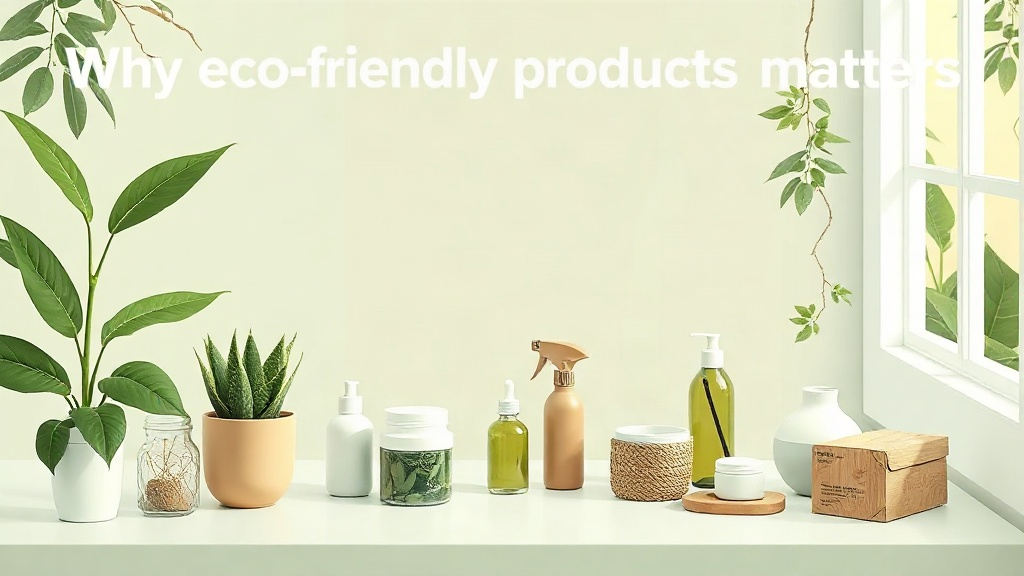
Children generate a surprising amount of waste—snack wrappers, craft scraps, empty glue sticks, and discarded plastic toys add up household by household. Choosing reusable and non-toxic supplies cuts that stream at the source. It also avoids a subtler problem: many conventional craft materials contain solvents or synthetic dyes that you’d rather not have near small hands and mouths.
The second reason is educational. Kids learn habits by watching what adults do, and a child who grows up rinsing jars for reuse treats that as normal. A 2023 study aside, the reasoning is straightforward: repeated exposure shapes behavior more than a single lecture about recycling.
There’s a practical money angle too. Reusable supplies often cost more upfront but less over time. A pack of cloth rags replaces dozens of paper towel rolls. A refillable glue bottle costs a fraction of buying new bottles each month. The savings are modest per item but real across a year of projects.
Eco-friendly choices also reduce clutter. When you commit to fewer, better supplies—one sturdy set of paints, a box of fabric scraps, a stack of cardboard—you stop accumulating half-used kits that languish in a cupboard. Kids play more freely when materials are organized and accessible.
Finally, these activities build problem-solving skills. Turning a cereal box into a puppet theater requires planning, measuring, and improvising. That’s creative thinking with a practical constraint, which is exactly the kind of challenge children benefit from.
You don’t need to overhaul your craft cupboard. Pick one item—say, replacing paper towels with a stack of cut-up old T-shirts—and let the habit grow from there.
Key takeaway: reusability cuts waste and cost, while non-toxic materials protect young children. The habit-forming effect on kids may be the biggest long-term payoff.
Best practices
Good eco-friendly activities share a few traits: they use what you already have, they’re safe for the age group, and they produce something kids are proud of. Here’s how to set them up well.
Start with a materials audit
Before buying anything, empty your recycling bin and craft drawer onto a table. You’ll likely find cardboard tubes, jars, bottle caps, fabric scraps, and paper that can become the backbone of a dozen projects. Sort them into labeled boxes—"cardboard," "fabric," "containers"—so kids can grab what they need independently.
Choose projects with a clear second life
The best activities end with something useful or displayable. A few reliable options:
- Cardboard box houses and castles, decorated with scrap paper and fabric.
- Jar terrariums using pebbles, soil, and small plants.
- Fabric scrap collages glued onto cardboard backing.
- Beeswax food wraps, made by melting wax onto cotton squares—an adult-supervised project.
- Seed pots from newspaper, folded into small cups for starting seedlings.
If paper crafts appeal, learning how to make recycled paper at home turns scrap into fresh sheets kids can draw on or turn into cards.
Keep safety age-appropriate
Toddlers need large, unchewable pieces and non-toxic glue. Older kids can handle scissors, low-temperature glue guns, and simple tools with supervision. Check paint and glue labels for safety certifications, and ventilate the room when using wax or any heated material.
Not every plant-based material is safe to handle or compost at home. Read the label and keep small parts away from children under three.
Make cleanup part of the routine
Washing brushes in a jar, sorting scraps for reuse, and wiping tables with cloth rags teaches the full cycle. Kids who clean up their own supplies tend to value them more.
Key takeaway: audit first, pick projects with a useful end result, match materials to age, and build cleanup into the activity.
Common mistakes to avoid
Even well-intentioned craft sessions can go sideways. These are the pitfalls families run into most often.
Buying a whole new "eco" craft kit. A kit full of plastic-wrapped supplies defeats the purpose. Start with what you own before shopping.
Assuming compostable means toss it anywhere. Many compostable items only break down in industrial facilities, not a backyard bin. Check local rules before assuming.
Ignoring the hidden plastic in packaging. The product may be green, but the shrink wrap and foam inserts aren’t. Buy in bulk or choose refill formats where possible.
Choosing aesthetics over durability. A pretty wooden toy that splinters in a week is worse than a plain one that lasts years. Read reviews and inspect joints and finishes.
Overcomplicating the project. Elaborate Pinterest setups often require specialty supplies and end in frustration. Simple cardboard and paper projects hold attention longer.
Skipping the safety check on art supplies. Paints, glues, and markers vary widely. Look for non-toxic formulations and avoid anything with strong solvent smells around young children.
Treating it as a one-off. A single eco-craft afternoon won’t shift habits. Repeating simple projects and keeping supplies accessible does.
Melting wax, using hot glue, or working with any heat source requires constant adult supervision. Keep a bowl of cool water nearby and never leave children unattended.
Key takeaway: the biggest mistakes are buying new instead of reusing, ignoring packaging, and skipping safety checks. Fix those three and most projects run smoothly.
FAQ
Are eco-friendly craft supplies more expensive than regular ones?
Not necessarily. Reusable basics like cloth rags, glass jars, and cardboard cost little or nothing. Specialty items such as beeswax or natural dyes can cost more upfront, but they tend to last longer and get used repeatedly.
What’s a good first eco-friendly activity for a preschooler?
A cardboard box with scrap paper and crayons works well. It’s safe, uses materials you already have, and lets a young child decorate freely without small parts or sharp tools.
How do I know if a product’s green claims are real?
Look for third-party certifications, recycled-content symbols, and clear material lists. Vague terms like "natural" or "earth-friendly" without supporting detail are hard to verify, so treat them with caution.
Can these activities work in a small apartment?
Yes. Jar gardens, paper making, and fabric collages need only a table and a few containers. Choose projects that store flat or fit on a shelf, and keep supplies in one lidded box.
How often should we do eco-friendly activities?
Once a week or even once a month is enough to build the habit. Consistency matters more than frequency, and short sessions keep kids engaged.
Conclusion
Fun eco-friendly activities at home come down to three habits: use what you already own, pick supplies that last and are safe for kids, and make cleanup part of the fun. Cardboard, jars, fabric scraps, and paper can fuel weeks of projects without a single shopping trip. When you do buy, favor reusable tools and refillable formats over disposable kits. This weekend, empty your recycling bin onto the kitchen table and let your kids pick one item to transform—the creativity will follow faster than you expect.
Sorry, the comment form is closed at this time.