
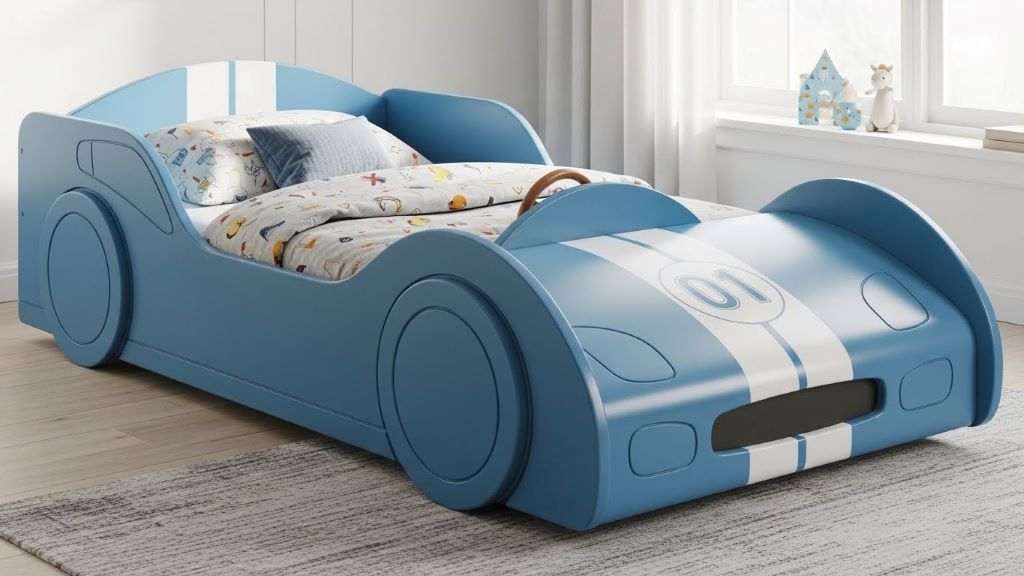
10 Jan Car Bed for Kids: Eco-Friendly Material Options
Choosing the right bed for your child involves more than just picking a fun design. Parents today are increasingly concerned about environmental impact and health safety. Car beds remain a popular choice for young children, but finding eco-friendly options can feel overwhelming. This guide explores sustainable material choices that combine safety, durability, and environmental responsibility.
Why Choose Eco-Friendly Materials for Kids’ Furniture
Traditional furniture often contains harmful chemicals and unsustainable materials. These substances can affect indoor air quality and your child’s health. Additionally, conventional manufacturing processes contribute to environmental degradation. Therefore, selecting eco-friendly materials benefits both your family and the planet.
Children spend significant time in their bedrooms. Their developing bodies are more vulnerable to toxic exposure than adults. Consequently, choosing non-toxic materials becomes essential for creating a healthy sleep environment. Eco-friendly furniture also teaches children valuable lessons about environmental stewardship from an early age.
Solid Wood: The Classic Sustainable Choice
Solid wood remains one of the most reliable eco-friendly materials for car beds. However, not all wood sources are equal. Look for beds made from sustainably harvested timber certified by organizations like the Forest Stewardship Council (FSC). These certifications ensure responsible forest management practices.
Popular sustainable wood options include birch, maple, and oak. These hardwoods offer excellent durability and can withstand years of active use. Moreover, solid wood furniture can be refinished and passed down to younger siblings or other families. This longevity reduces waste and maximizes the product’s environmental value.
Pine represents another affordable option for eco-conscious parents. While softer than hardwoods, pine still provides adequate durability for children’s furniture. Additionally, pine trees grow relatively quickly, making them a more renewable resource compared to slower-growing hardwoods.
Bamboo: The Fast-Growing Alternative
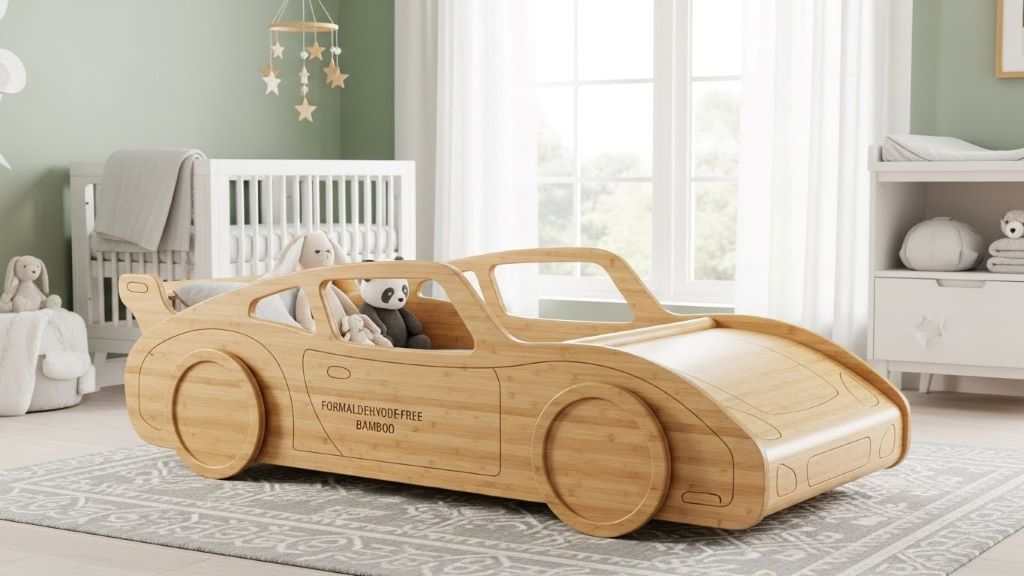
Bamboo has emerged as a superstar in sustainable furniture manufacturing. This grass grows remarkably fast, reaching maturity in just three to five years. In contrast, traditional hardwoods can take decades to reach harvestable size. Therefore, bamboo represents an incredibly renewable resource.
The material possesses natural antibacterial properties, which helps maintain a cleaner sleeping environment. Bamboo is also surprisingly strong and durable despite being a grass rather than a tree. Furthermore, bamboo cultivation requires minimal pesticides and fertilizers, reducing chemical runoff into ecosystems.
When selecting bamboo car beds, verify that the bamboo comes from responsibly managed farms. Some manufacturers use adhesives containing formaldehyde during bamboo processing. Consequently, look for products certified as formaldehyde-free to ensure maximum safety.
Reclaimed and Recycled Wood Materials
Reclaimed wood offers a unique way to reduce environmental impact while adding character to your child’s room. This material comes from old buildings, barns, or other structures slated for demolition. By repurposing existing wood, manufacturers prevent usable materials from ending up in landfills.
Each piece of reclaimed wood carries its own history and distinctive appearance. The weathered textures and natural patinas create one-of-a-kind furniture pieces. Additionally, using reclaimed materials eliminates the need for new tree harvesting altogether.
Recycled wood products, including engineered wood made from wood fibers, provide another sustainable option. However, carefully examine the binding agents used in these products. Choose options that use low-VOC or formaldehyde-free adhesives to maintain indoor air quality.
Non-Toxic Finishes and Paints
The materials used to construct the bed frame represent only part of the equation. Finishes and paints significantly impact the overall safety and sustainability of the furniture. Traditional paints and varnishes often contain volatile organic compounds (VOCs) that release harmful gases into the air.
Water-based paints and finishes offer a safer alternative with minimal VOC content. These products have improved dramatically in recent years, now offering durability comparable to traditional options. Moreover, many eco-friendly paints use natural pigments derived from minerals and plants.
Natural oil finishes, such as linseed or tung oil, provide excellent protection while remaining completely non-toxic. These finishes penetrate the wood rather than creating a surface coating. As a result, they enhance the wood’s natural beauty while providing moisture resistance.
Look for third-party certifications like GREENGUARD Gold, which indicates low chemical emissions. According to the Environmental Protection Agency, indoor air quality can be two to five times more polluted than outdoor air, making low-VOC products essential for children’s spaces.
Organic Fabrics for Bedding and Upholstery
While the bed frame’s material matters, don’t overlook the fabrics used in mattresses and any upholstered elements. Conventional cotton production involves heavy pesticide use, which harms both the environment and farmworkers. Therefore, choosing organic cotton bedding provides significant environmental benefits.
Organic certification ensures that no synthetic pesticides, herbicides, or genetically modified organisms were used during cultivation. Additionally, organic farming practices promote soil health and biodiversity. The softer feel of organic cotton also provides enhanced comfort for sensitive skin.
Other eco-friendly fabric options include organic linen, hemp, and Tencel. Hemp grows quickly with minimal water requirements and naturally resists pests. Tencel, made from sustainably harvested eucalyptus trees, offers exceptional softness and moisture-wicking properties. These materials create a healthier sleep environment while reducing environmental impact.
Natural Latex and Organic Mattresses
The mattress your child sleeps on deserves as much attention as the bed frame itself. Conventional mattresses often contain synthetic foams, flame retardants, and other chemicals. Natural latex mattresses offer a superior alternative made from rubber tree sap.
This renewable material provides excellent support and pressure relief. Natural latex resists dust mites, mold, and bacteria without chemical treatments. Furthermore, latex mattresses typically last longer than conventional options, reducing replacement frequency and waste.
When shopping for eco-friendly mattresses, look for certifications like GOLS (Global Organic Latex Standard) and GOTS (Global Organic Textile Standard). These standards ensure the product meets strict environmental and social criteria throughout the supply chain.
Certification Labels to Look For
Navigating eco-friendly claims can feel confusing without proper guidance. Third-party certifications provide reliable verification of environmental and safety standards. The FSC certification indicates sustainably harvested wood products. GREENGUARD certification confirms low chemical emissions suitable for children’s spaces.
The GOTS certification applies to organic textiles, ensuring products meet comprehensive environmental and social criteria. CertiPUR-US certification indicates foams made without harmful chemicals like formaldehyde and heavy metals. Additionally, look for non-toxic certifications from organizations like OEKO-TEX.
These certifications require regular testing and verification, providing confidence that products meet their claims. However, remember that some small manufacturers produce excellent eco-friendly products without formal certification due to cost constraints. In these cases, directly inquire about materials and manufacturing processes.
Making the Right Choice for Your Family
Selecting an eco-friendly car bed involves balancing multiple factors including budget, aesthetics, and environmental priorities. Start by identifying which aspects matter most to your family. Some parents prioritize domestically manufactured products to reduce transportation emissions. Others focus primarily on non-toxic materials for health reasons.
Research brands thoroughly and read customer reviews to understand product quality and longevity. A higher upfront investment in quality eco-friendly furniture often proves more economical long-term. Durable pieces withstand years of use and retain value for resale or hand-me-down purposes.
Consider the complete lifecycle of the furniture, including eventual disposal. Quality solid wood beds can be refinished and reused indefinitely. When the car bed design no longer suits your child, the piece might transform into different furniture rather than ending up in a landfill.
Conclusion
Eco-friendly car beds combine fun design with environmental responsibility and health consciousness. Solid wood from sustainably managed forests offers classic durability and timeless appeal. Bamboo provides a rapidly renewable alternative with natural antibacterial properties. Reclaimed wood delivers unique character while preventing waste.
Non-toxic finishes, organic fabrics, and natural latex mattresses complete the healthy sleep environment. Third-party certifications help navigate environmental claims and ensure products meet rigorous standards. By choosing eco-friendly materials, parents create safer spaces for their children while contributing to broader environmental protection efforts.
The investment in sustainable furniture extends beyond immediate family benefits. These choices support responsible manufacturing practices and encourage industry-wide improvements. Your purchasing decisions today help create a healthier planet for your children’s future.
Frequently Asked Questions
Are eco-friendly car beds more expensive than conventional options?
Eco-friendly car beds often carry higher upfront costs due to sustainable materials and responsible manufacturing processes. However, their superior durability and longevity frequently make them more cost-effective over time. Additionally, many parents find the health and environmental benefits justify the price difference.
How can I verify if a car bed is truly eco-friendly?
Look for third-party certifications like FSC for wood, GREENGUARD for low emissions, and GOTS for organic textiles. Research the manufacturer’s practices and material sourcing. Reputable companies provide transparent information about their sustainability efforts and material origins.
Will an eco-friendly car bed withstand rough play as well as conventional beds?
Quality eco-friendly materials like solid hardwood and bamboo offer excellent durability that often exceeds conventional particle board construction. Sustainable materials frequently prove more robust and longer-lasting than cheaper alternatives. Proper construction matters more than whether materials are eco-friendly.
Can I find eco-friendly car beds in different styles and colors?
Yes, eco-friendly car beds come in numerous styles, colors, and designs. Water-based paints and natural finishes are available in extensive color ranges. Many manufacturers offer customization options to match specific room themes while maintaining environmental standards.
What should I do with an eco-friendly car bed when my child outgrows it?
Quality eco-friendly beds retain excellent resale value and can be sold or donated. Solid wood pieces can be refinished for different uses or passed to younger siblings. Some manufacturers offer take-back programs. These durable materials ensure the furniture continues serving families for generations rather than becoming waste.
Related Topics:
Sorry, the comment form is closed at this time.