
28 Mar How to Teach Emotional Awareness Through Kids Emotional Care Techniques
Emotional awareness is one of the most important skills a child can develop. It helps children understand their feelings, connect with others, and handle life’s challenges. However, many parents and teachers are unsure how to teach it. The good news is that with the right kids emotional care techniques, you can make this process simple, natural, and even fun.
This article walks you through practical, proven ways to build emotional awareness in children of all ages.
What Is Emotional Awareness and Why Does It Matter
Emotional awareness means the ability to notice, name, and understand emotions. It includes recognizing feelings in yourself and in others. Children who develop this skill early tend to have better relationships and stronger mental health as they grow.
Research consistently shows that emotionally aware children do better in school. They are also less likely to struggle with anxiety or behavioral problems. Therefore, teaching emotional awareness is not a luxury. It is a necessity.
Additionally, emotional awareness forms the foundation of empathy. When children learn to identify their own feelings, they begin to understand how others feel too. This is a key step in developing kindness and compassion.
Start With Naming Emotions Early
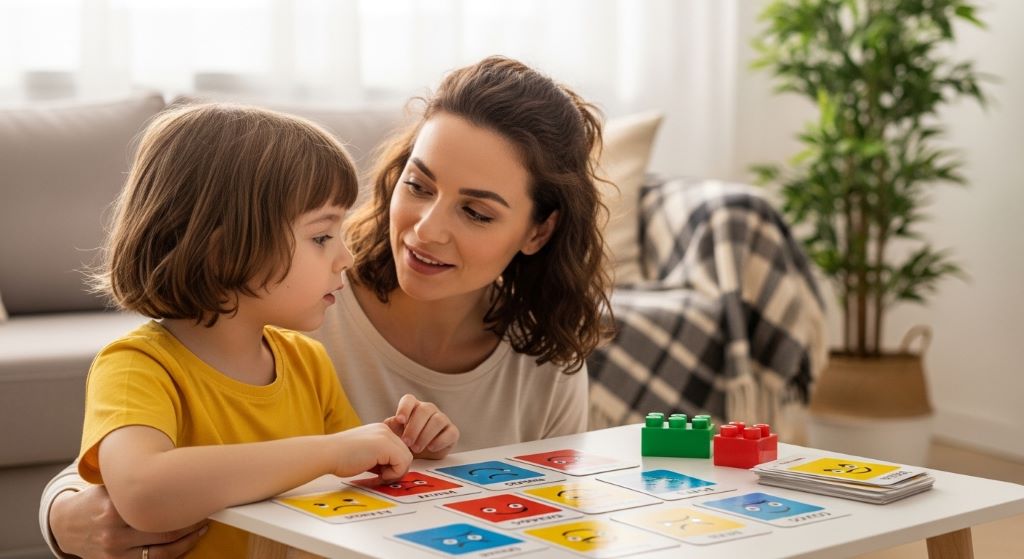
One of the simplest yet most powerful kids emotional care techniques is teaching children to name their feelings. Young children often feel overwhelmed because they cannot put words to what they are experiencing. When adults help them label emotions, it gives children a sense of control.
You can start by using basic words like happy, sad, angry, scared, and surprised. As children grow, you can introduce more nuanced words like frustrated, disappointed, nervous, or proud. The more words a child has for their emotions, the better they can communicate and manage them.
Try talking about feelings during everyday moments. For example, after watching a movie, ask your child how a character might have felt. This low-pressure approach makes emotional conversations feel natural and comfortable.
Create a Safe Space for Feelings
Children will only share their emotions if they feel safe doing so. Therefore, one of the first steps in any emotional care approach is creating a judgment-free environment at home and in the classroom.
This means listening without immediately trying to fix or dismiss feelings. When a child says “I am angry,” avoid responding with “You should not be angry.” Instead, say something like “It sounds like you are really frustrated. Tell me more about that.”
Validation is powerful. It tells children that their feelings are real and acceptable. Over time, this builds the emotional safety they need to explore and express how they feel. Additionally, when children feel heard, they are more likely to come to you with bigger problems as they grow older.
Use Storytelling and Books as Teaching Tools
Stories are one of the most effective kids emotional care techniques because they create emotional experiences without real-world risk. When children follow a character through fear, loss, joy, or conflict, they practice emotional processing in a safe way.
Choose books that feature emotionally complex characters and situations. After reading, ask open-ended questions. “Why do you think the rabbit felt lonely?” or “What would you have done if you were in that situation?” These conversations build emotional vocabulary and critical thinking at the same time.
You can also encourage children to create their own stories. Ask them to draw or write about a time they felt very happy or very scared. This reflective practice deepens self-awareness in a meaningful way.
Teach the Body-Emotion Connection
Children often experience emotions physically before they can describe them mentally. A racing heart, a tight chest, or a stomachache are all emotional signals. Teaching kids to notice these physical cues is therefore a vital part of emotional care.
Try a simple body scan activity. Ask your child to sit quietly and notice how different parts of their body feel. Over time, help them connect physical sensations with specific emotions. For instance, “When I am nervous, my tummy feels funny.”
This kind of body awareness is sometimes called interoception, and it is closely linked to emotional regulation. Children who are in tune with their bodies are generally better at managing their reactions before they escalate.
Practice Emotion Regulation Techniques Together
Knowing what you feel is only part of the journey. Children also need tools to manage intense emotions. There are several easy and effective techniques you can teach and practice together.
Deep breathing is a great place to start. Try the “balloon breath” method, where children breathe in slowly to inflate an imaginary balloon, then breathe out to deflate it. This technique calms the nervous system quickly.
Another useful approach is the “feelings thermometer.” Draw a thermometer with your child and mark different emotional levels from calm to explosive. When emotions rise, the thermometer gives them a visual way to track and communicate how they are feeling.
Additionally, movement is a powerful emotional regulator. Jumping, dancing, or going for a walk can help children shake off tension and return to a calmer state. Encourage physical activity as a healthy emotional outlet, not just for fitness.
Model Emotional Awareness as an Adult
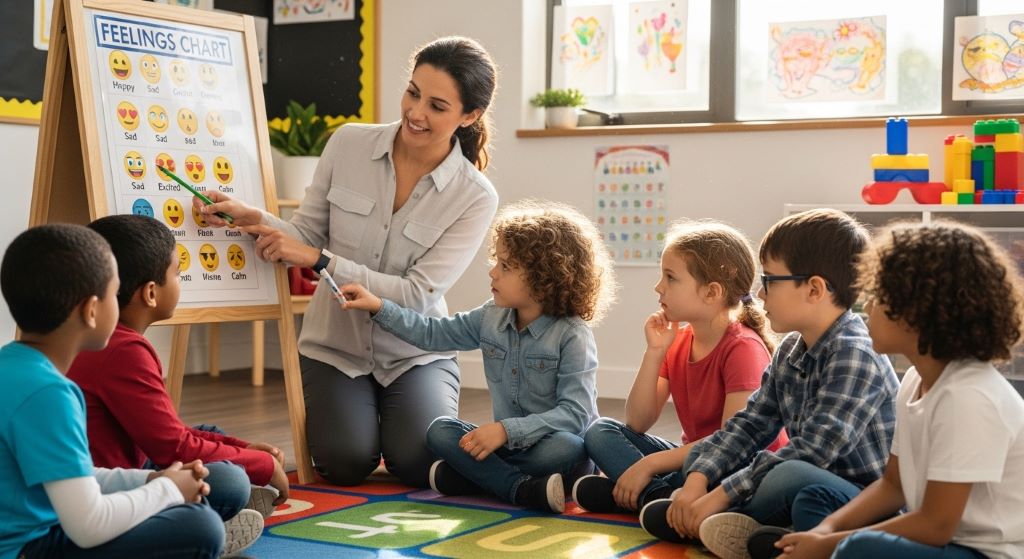
Children learn by watching the adults around them. Therefore, one of the most powerful things you can do is model emotional awareness in your own behavior. When you feel frustrated, say it out loud. “I am feeling a bit overwhelmed right now. I am going to take a few deep breaths.”
This does two important things. First, it normalizes emotional expression. Second, it shows children a healthy way to respond to difficult feelings. You do not need to be perfect. In fact, showing children how you recover from emotional mistakes is just as valuable as showing them how to stay calm.
However, be mindful of oversharing. Children should not feel responsible for adult emotions. Keep your expressions age-appropriate and focus on showing the process of noticing and managing feelings.
Use Role Play to Build Emotional Skills
Role play is one of the most engaging kids emotional care techniques, especially for younger children. It gives them a safe space to act out social situations and explore different emotional responses.
You can set up simple scenarios. “Let us pretend you are at school and a friend takes your toy. What do you do?” Let the child act out their first instinct, then gently explore other options together.
Role play also helps children develop empathy. When they take on the role of another person, they must think about that person’s feelings. This perspective-taking is central to emotional intelligence and strong social skills.
Build Emotional Check-In Habits
Consistency is key when teaching emotional awareness. Building regular emotional check-ins into daily routines makes the practice stick.
A simple check-in can be as brief as asking “How are you feeling today on a scale of one to ten?” at dinner. Over time, you can add questions like “What made you feel that way?” or “What helped you feel better?”
Morning check-ins also work well before school. They give children a moment to process their emotions before a busy day begins. Additionally, these moments create connection and trust between children and caregivers.
Encourage Problem-Solving After Emotional Moments
Once a child has calmed down after an emotional event, it is a good time for gentle problem-solving. This helps them develop resilience and learn from their experiences.
Ask open-ended questions like “What do you think you could do differently next time?” or “What did you learn about how you feel in that situation?” This approach treats the child as a capable problem-solver rather than someone who simply did something wrong.
However, always wait until the child is calm before starting these conversations. Trying to reason with a child in the middle of a meltdown is rarely effective. Give emotions time to settle first, then revisit the situation together.
Conclusion
Teaching emotional awareness is one of the greatest gifts you can give a child. Through consistent use of kids emotional care techniques, you can help children name their feelings, manage their emotions, and connect deeply with others.
Start small. Name emotions daily. Create a safe space for feelings. Use books, role play, and body awareness to make learning engaging. Model emotional honesty yourself, and build check-in habits that keep communication open.
These steps may seem simple, but their impact is profound and lasting. When children grow up knowing how to understand and express their emotions, they are better equipped to thrive in every area of life.
Frequently Asked Questions
At what age should I start teaching emotional awareness to my child?
You can begin as early as infancy by mirroring expressions and naming emotions during interactions. Toddlers as young as two can start learning basic emotion words. The earlier you start, the more natural it becomes.
What are the most effective kids emotional care techniques for toddlers?
Simple emotion labeling, mirror play where children mimic facial expressions, and reading picture books about feelings are all very effective for toddlers. Keep activities short, playful, and visual.
How do I handle a child who refuses to talk about their feelings?
Some children express emotions through play, drawing, or physical activity rather than words. Follow their lead. Offer non-verbal outlets and let them know you are available without pressure.
Can emotional awareness techniques help children with anxiety?
Yes. Teaching children to identify and name their anxious feelings is a key part of managing anxiety. Breathing techniques and body awareness activities are especially helpful for children who experience worry or fear.
How long does it take to see results from teaching emotional awareness?
Every child is different. However, with consistent practice, many parents and teachers notice positive changes within a few weeks. Long-term emotional intelligence builds gradually over months and years.
Related Topics:
Healthy Kids Lunch Ideas That Are Fun And Nutritious
Best On The Go Kids Travel Accessories
Sorry, the comment form is closed at this time.